WHAT TO DO IN ZERMATT
Zermatt is one of Switzerland’s most famous mountain resorts, sitting at around 1,620 metres beneath the Matterhorn in the Valais Alps. While today it is internationally recognised for skiing, mountaineering and high-altitude experiences, the resort developed from a much smaller Alpine farming community.
Tourism began transforming Zermatt during the 19th century as climbers arrived to explore the surrounding mountains. The first successful ascent of the Matterhorn by Edward Whymper and his team in 1865 brought worldwide attention to the village and helped establish its reputation as a destination for Alpine adventure.
More than 150 years later, there is considerably more to do in Zermatt than climb mountains. You can ski across the Swiss-Italian border, travel above 3,000 metres for spectacular Matterhorn views, explore historic streets or spend an afternoon enjoying the resort’s restaurants and wellness facilities.
At Alpine Fleet, we regularly help skiers, families and groups travel to Zermatt and other resorts across the Swiss Alps. Drawing on that experience, here are some of the best things to do in Zermatt during your stay.
What to do in Zermatt
Skiing remains one of the biggest reasons to visit Zermatt, particularly during winter, but it is far from the only option. The resort’s mountain transport network also makes many of the surrounding peaks and viewpoints accessible to visitors who never plan to put on a pair of skis.
Skiing and snowboarding
For a winter holiday, skiing is the obvious place to start.
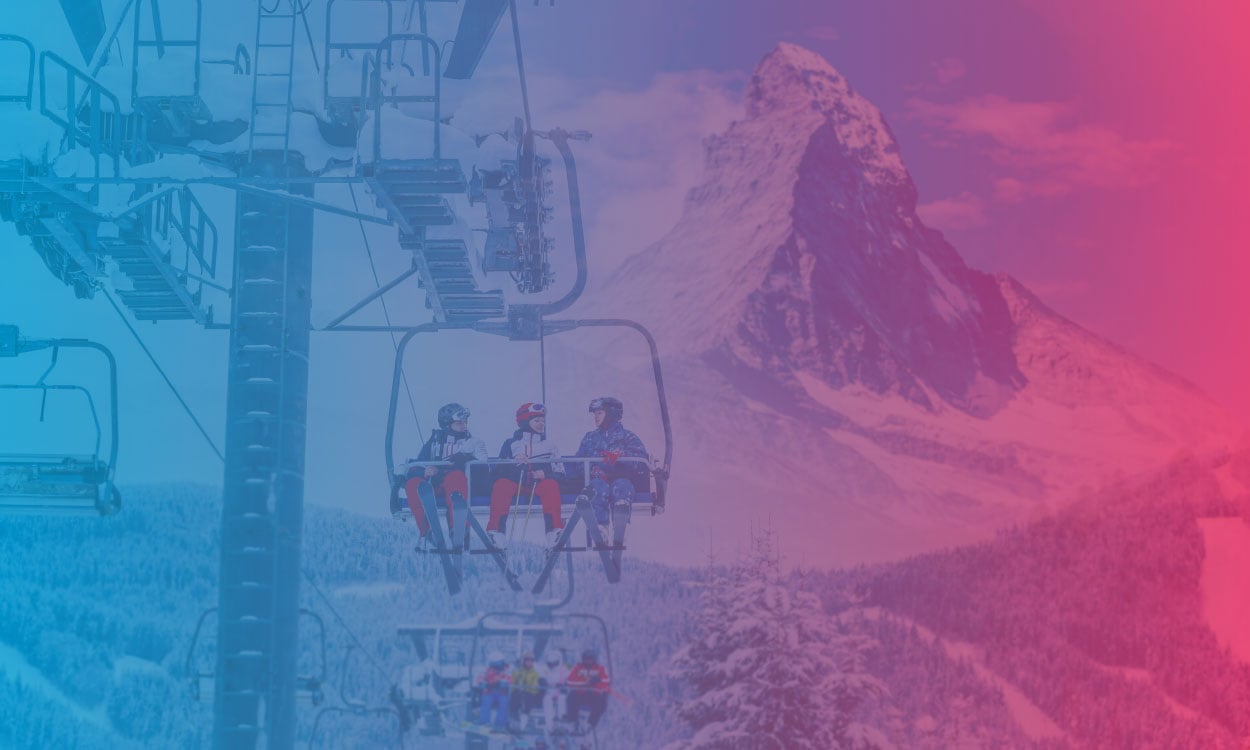
Zermatt forms part of Matterhorn Ski Paradise, with extensive terrain spread across areas including Sunnegga-Rothorn, Gornergrat, Schwarzsee and Matterhorn Glacier Paradise.
The wider international ski area extends across the border into Italy, connecting Zermatt with Breuil-Cervinia and Valtournenche. When the international connections are operating, skiers can access more than 360km of pistes, making it possible to ski in Switzerland and Italy during the same day.
There is terrain for a broad range of abilities, from more accessible slopes to long, high-altitude descents. With substantial differences in elevation across the ski area, conditions can vary between different parts of the mountain. Check current lift, piste and weather information before deciding where to ski each day.
Ride the Glacier Express
The Glacier Express is one of Switzerland’s most famous railway journeys and starts or finishes in Zermatt.
The route connects Zermatt with St Moritz, travelling through dramatic mountain landscapes and passing destinations including Brig, Andermatt, Disentis and Chur. The full journey takes roughly eight hours, making it an experience in its own right rather than simply a way of travelling between two resorts.
If you don’t want to dedicate an entire day to the complete journey, shorter sections can also be incorporated into a wider Swiss itinerary.
Timetables and operating arrangements vary throughout the year, and reservations may be required, so check the latest information before planning your journey.
Take the Gornergrat Railway
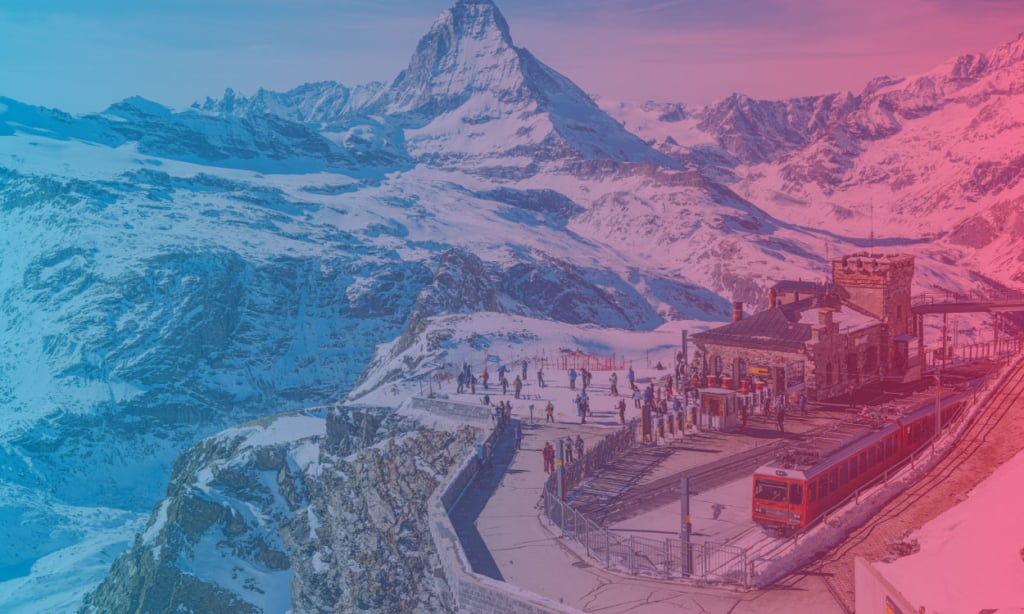
For some of the best views of the Matterhorn, take the Gornergrat Railway from Zermatt.
Operating since 1898, the cog railway climbs from the village to Gornergrat at approximately 3,089 metres. As the train gains altitude, the landscape opens up to reveal the Matterhorn, surrounding glaciers and some of the highest peaks in the Alps.
At the top, panoramic viewpoints make Gornergrat an excellent destination for photographers and anyone who wants to experience the high mountains without undertaking a demanding climb.
Weather can change rapidly at this elevation and temperatures can be considerably lower than in Zermatt itself. Check the mountain forecast and dress appropriately before heading up.
Visit Matterhorn Glacier Paradise
For an even higher perspective, head to Matterhorn Glacier Paradise.
Located at approximately 3,883 metres, it is the highest mountain station in Europe and one of the standout experiences available from Zermatt. The mountain lift system carries visitors high above the resort into a dramatically different Alpine environment.
On clear days, the viewing areas provide extensive panoramas across the surrounding mountains, while the glacier setting makes the journey worthwhile even for visitors who aren’t skiing.
The altitude should be taken seriously. Conditions can be considerably colder and more exposed than in the village, while some visitors may feel the effects of being nearly 4,000 metres above sea level. Check conditions before travelling and allow yourself time to adjust.
Go Hiking Around Zermatt
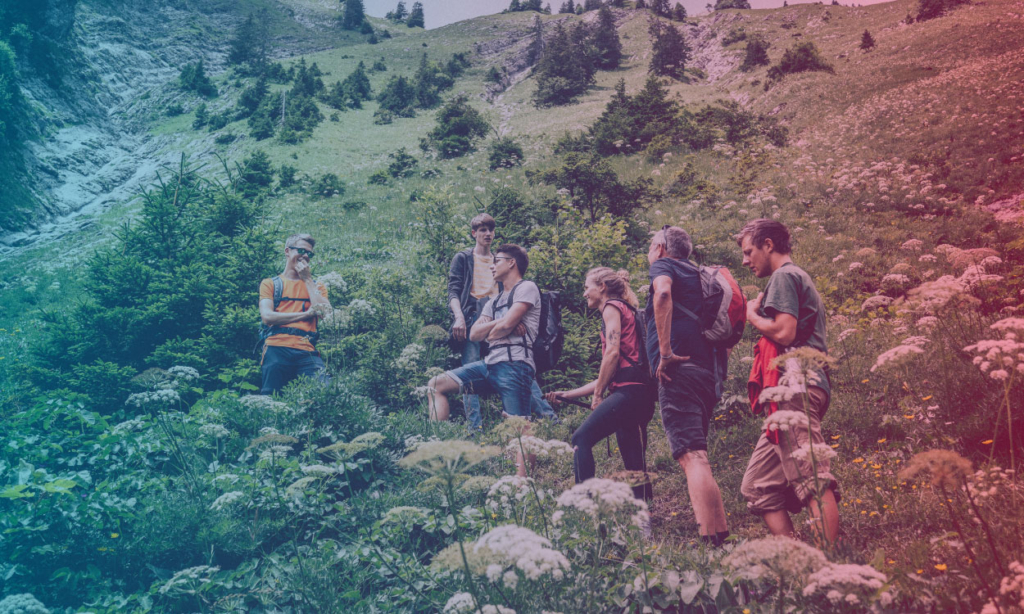
Zermatt isn’t exclusively a winter destination. Once warmer weather arrives, the surrounding mountains become a major hiking destination.
The area offers routes ranging from relatively gentle walks to demanding high-mountain trails, allowing visitors to choose something appropriate for their fitness and experience. Depending on the route, you’ll encounter forests, Alpine meadows, mountain lakes, glaciers and different perspectives of the Matterhorn.
Hiking also provides a completely different experience of the landscape from skiing. Areas covered in snow during winter become green mountain terrain during the warmer months, while the extensive lift network can help visitors reach higher starting points.
Mountain conditions should still be checked carefully. Snow and ice can remain at higher elevations even when the weather in Zermatt itself feels warm.
Explore Zermatt's Old Village
It’s worth setting aside some time to explore Zermatt itself rather than spending every day above the village.
The old village provides a glimpse of what the settlement looked like before the growth of international tourism. Traditional timber houses, barns and historic grain stores sit in contrast to the luxury hotels, restaurants and shops found elsewhere in modern Zermatt.
Exploring on foot also suits the character of the resort particularly well. Zermatt is car-free, creating a quieter village environment without conventional private traffic passing through its streets.
It’s an easy activity to combine with lunch, shopping or a visit to the Matterhorn Museum.
Visit the Matterhorn Museum
If the story of the Matterhorn interests you, the Matterhorn Museum – Zermatlantis provides useful context for both the mountain and the development of Zermatt itself.
The museum explores the transition from a traditional Alpine farming community to an internationally recognised resort, alongside the history of mountaineering in the surrounding peaks.
Unsurprisingly, the first ascent of the Matterhorn in 1865 plays an important role in the story. The expedition ended in tragedy when four members of the party died during the descent, an event that became one of the defining stories of early Alpine mountaineering.
Visiting the museum before heading into the mountains can give you a greater appreciation of the people, events and landscape that shaped modern Zermatt.
Places to Eat and Drink in Zermatt
Food and drink are a significant part of the Zermatt experience. The resort has everything from traditional Swiss restaurants and mountain lunches to contemporary dining and après-ski.
Some places to consider include:
- Joseph’s Bar: A long-established option for visitors looking for Swiss-inspired food and a traditional Alpine atmosphere.
- @Paradise: Set at approximately 2,230 metres, this mountain restaurant combines food with elevated views towards Zermatt and the Matterhorn.
- CERVO: One of the resort’s best-known mountain venues, combining restaurants and après-ski with views across the surrounding peaks.
- Infinity Terrace: A scenic option for drinks accompanied by panoramic mountain views, particularly towards the end of the day.
- Witch’eese Fondue Hut: An intimate wooden setting where fondue provides a suitably Swiss end to a day in the mountains.
- Grampi’s: A more informal and lively restaurant serving dishes including pizza and pasta.
Zermatt can become extremely busy during peak ski periods, so booking ahead is sensible for restaurants you particularly want to visit. Mountain venues can also have weather-dependent or seasonal opening arrangements, so check directly before travelling.
What Can You Do in Zermatt if You Don't Ski?
Zermatt remains a strong destination even if skiing isn’t part of your plans.
The extensive mountain transport network means non-skiers can still experience much of the scenery that makes the resort famous. Gornergrat and Matterhorn Glacier Paradise are two of the most obvious options, allowing you to reach high-altitude viewpoints without skiing back down.
Closer to the village, you can explore historic Zermatt, visit the Matterhorn Museum, book a spa day or spend time discovering its restaurants and cafés. Winter walking and other seasonal activities provide further opportunities to experience the landscape.
This also makes Zermatt particularly suitable for mixed groups, where some visitors want to spend every day skiing while others prefer sightseeing, food, wellness or less demanding mountain activities.
Is Zermatt Worth Visiting?
For visitors looking for a destination that combines serious skiing with experiences away from the slopes, Zermatt is one of the most complete resorts in the Swiss Alps.
The Matterhorn provides an extraordinary backdrop, but the mountain isn’t the resort’s only attraction. More than 360km of international skiing, the Gornergrat Railway, Matterhorn Glacier Paradise, historic village buildings and an extensive restaurant and wellness scene provide plenty to do across a longer stay.
Its high-altitude attractions also mean preparation matters. Check weather forecasts, lift operations, piste information and attraction opening times before setting out, particularly when travelling above 3,000 metres. Conditions in the village don’t necessarily reflect those higher on the mountain.
Make the Most of Your Time in Zermatt with Alpine Fleet
With world-class skiing, high-altitude mountain experiences and plenty to explore away from the slopes, there is no shortage of ways to spend your time in Zermatt.
At Alpine Fleet, we regularly transport skiers, families and groups to resorts throughout the Alps. Our experienced drivers, winter-ready vehicles and dedicated operations team help make your journey to the mountains as straightforward as possible, with space for your luggage and ski equipment.
Choose from private transfers, or shared transfers on selected routes, and arrange your Alpine travel before your holiday begins.
Book your Zermatt transfer with Alpine Fleet today, or contact our team to find the right option for your trip.