Ultra Trail du Mont Blanc: The Ultimate Guide to the World's Most Prestigious Trail Race
Most people will never willingly run through the night across three countries, climb nearly 10,000 metres of elevation, battle mountain weather, and keep moving for up to two days without proper sleep.
Every year, thousands of people do exactly that.
The Ultra Trail du Mont Blanc is not simply a race. It is one of the most demanding and respected endurance challenges on the planet. For trail runners, earning a place on the start line in Chamonix often represents years of training, qualification races, setbacks and sacrifices. For spectators, it is a chance to witness extraordinary feats of human endurance set against some of the most spectacular scenery in Europe.
The event takes place around the Mont Blanc massif, following a route that passes through France, Italy and Switzerland before returning to Chamonix. Covering approximately 174 kilometres with around 9,900 metres of positive elevation gain, it forms the 100M Final of the UTMB World Series and is widely regarded as the pinnacle of competitive trail running.
Yet the numbers only tell part of the story.
What draws runners back year after year isn’t simply the challenge. It’s the experience of moving through alpine villages under starlight, climbing remote mountain passes at dawn and sharing an unforgettable adventure with thousands of others chasing the same goal: reaching the finish line in Chamonix.
Whether you’re planning to race, support a competitor or simply experience the atmosphere, understanding UTMB means understanding why it has become the benchmark against which almost every other trail race is measured.
Why Is the UTMB So Famous?
In an age where every sporting event claims to be iconic, very few genuinely deserve the label.
UTMB is one of them.
Since the first edition was held in 2003, the race has transformed from a relatively niche mountain ultramarathon into the most recognised event in trail running. What began with just a few hundred competitors has evolved into a global phenomenon attracting thousands of participants and tens of thousands of spectators every year.
Part of the race’s reputation comes from its difficulty. Covering four marathon distances would be challenging enough on flat roads. Doing it on mountain trails, across international borders, through changing weather conditions and with almost 10,000 metres of climbing creates an entirely different level of challenge.
But difficulty alone doesn’t explain the event’s status.
What truly sets UTMB apart is its ability to combine elite competition with personal adventure. World-class athletes compete for victory at the front of the field, while amateur runners pursue exactly the same route, face the same climbs and cross the same finish line. A competitor finishing in under 20 hours and another arriving just before the cut-off have shared the same remarkable journey.
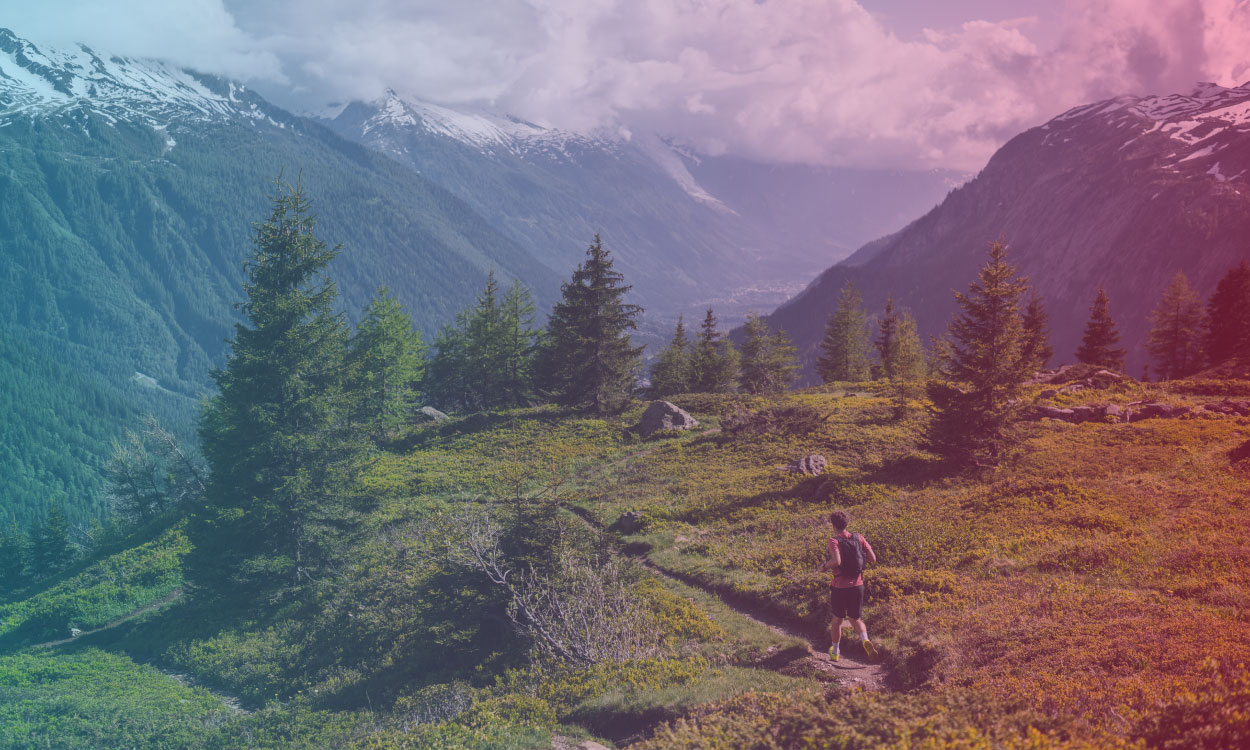
The setting also plays a significant role. Few sporting events can match the backdrop of the Mont Blanc massif. Towering peaks, glaciers, alpine forests and traditional mountain villages provide a constantly changing landscape that makes the race as visually impressive as it is physically demanding.
For one week every summer, Chamonix becomes the centre of the trail running world. Cafés fill with runners discussing race strategies. Support crews prepare for long nights following loved ones around the course. Spectators line the streets to cheer competitors from dozens of countries.
It feels less like a race and more like a festival celebrating human endurance.
UTMB Race Overview at a Glance
Before diving deeper into the route and qualification process, it’s worth understanding the scale of what participants are attempting.
| UTMB Race Overview at a Glance | |
| Distance | 174km |
| Elevation Gain | 9,900m+ |
| Countries Crossed | France, Italy and Switzerland |
| Start Location | Chamonix |
| Finish Location | Chamonix |
| Race Category | UTMB World Series 100M Final |
| Maximum Race Time | 46 hours 45 minutes |
| Typical Race Period | Late August |
Those numbers are impressive on paper.
In reality, they are difficult to comprehend until you see runners arriving back in Chamonix after nearly two days on the trail. Many have battled heat, rain, wind and exhaustion. Some have experienced moments of doubt so intense that quitting seemed inevitable.
And yet they continue.
That resilience is part of what has made the race legendary.
The UTMB Route Explained
Starting in Chamonix
Few race starts in the world generate the same atmosphere as UTMB.
Thousands of runners gather in central Chamonix as crowds line the streets, creating an energy that feels more like a major city marathon than a mountain race. Music fills the air. Supporters wave flags. Months, and often years, of preparation have all led to this moment.
When the race begins, competitors quickly leave behind the comfort of town and head into the mountains.
The excitement of the start can be deceptive. Experienced runners know that the opening kilometres are not the time to chase ambitious pacing goals. The challenge ahead is simply too long.
Through France, Italy and Switzerland
One of the defining characteristics of the race is its international route.
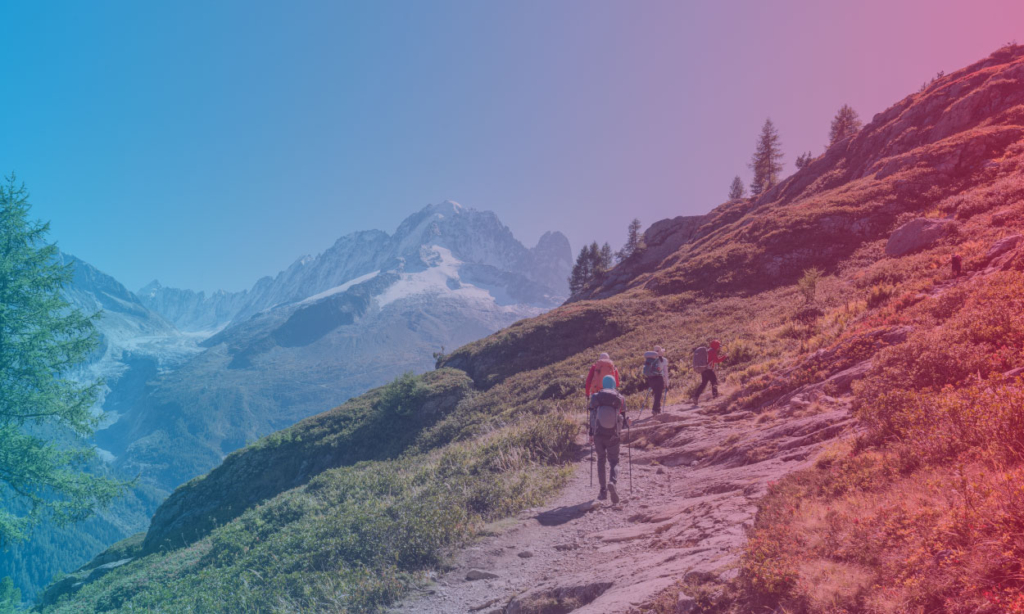
The course follows much of the famous Tour du Mont Blanc hiking circuit, passing through three countries and some of the most spectacular mountain scenery in Europe.
After leaving Chamonix, runners pass through Les Houches, Saint-Gervais and Les Contamines before tackling some of the first major climbs. As they cross the Col de la Seigne, they enter Italy and are rewarded with breathtaking views of the southern side of the Mont Blanc massif.
The route then descends towards Courmayeur, one of the event’s key aid stations and a major checkpoint for support crews.
From there, competitors climb once again towards the Grand Col Ferret, the highest point on the course and the gateway to Switzerland. The scenery changes once more as runners descend through alpine meadows and traditional Swiss villages including La Fouly and Champex-Lac.
Eventually, the route turns back towards France, with competitors passing through Trient and Vallorcine before beginning the final stages of their journey.
Major Climbs and Mountain Passes
The race’s elevation profile is relentless.
The Col du Bonhomme and Croix du Bonhomme arrive relatively early and remind runners that there is no easy section of the course. Later climbs such as the Grand Col Ferret test tired legs and depleted energy reserves.
Yet perhaps the most difficult challenge comes near the end.
By the time competitors reach the climb towards La Flégère, many have been moving continuously for more than 30 hours. Physically, the climb is manageable. Mentally, it can feel enormous.
The finish line may be close, but reaching it still requires determination.
Returning to Chamonix
Every finisher remembers their return to Chamonix.
The final descent offers sweeping views across the valley and, for many, a chance to reflect on everything they have experienced over the previous day and night.
Then comes the finish line.
For elite athletes, it may represent victory. For most runners, it represents something equally meaningful: proof that they were capable of more than they believed.
And that may be the real reason UTMB continues to inspire people around the world.
How Difficult Is the UTMB?
There’s a reason why simply reaching the start line is considered an achievement.
The UTMB is widely regarded as one of the toughest endurance races in the world. The challenge isn’t defined by a single factor but by the combination of distance, elevation, terrain, weather and time spent moving through the mountains.
At 174km, runners cover more than four marathons back-to-back. Along the way, they climb and descend nearly 10,000 metres, often on steep, technical trails that demand constant concentration. Even experienced ultramarathon runners can find the terrain physically and mentally exhausting.
Then there’s the weather. Conditions can change dramatically throughout the race. Competitors may encounter warm sunshine in the valleys, freezing temperatures at higher elevations and heavy rain or strong winds within the space of a few hours. Preparing for multiple seasons in a single day is part of the challenge.
Sleep deprivation adds another layer of difficulty. While the fastest runners finish in under 20 hours, many competitors spend well over 30 hours on the course, with some approaching the maximum cut-off time of 46 hours and 45 minutes. Running through the night, managing fatigue and continuing to make good decisions becomes just as important as physical fitness.
Perhaps the greatest challenge, however, is psychological. Every participant experiences moments when continuing feels impossible. The runners who succeed are often not the strongest or fastest, but those who can keep moving forward one step at a time when every part of them wants to stop.
What Makes the UTMB Unique?
Many ultramarathons are difficult. Very few have become legendary.
What makes UTMB unique is the way it combines elite sport, personal adventure and an extraordinary setting into a single event. It is one of the few races in the world where professional athletes competing for victory share the same course and experience as amateur runners chasing a personal dream.
The route itself is unlike anything else. Crossing France, Italy and Switzerland, competitors experience three cultures, multiple mountain environments and some of the most spectacular scenery in Europe. Few races can offer glacier views at sunrise, traditional alpine villages and world-famous mountain passes within a single event.
The atmosphere also sets it apart. Throughout race week, Chamonix becomes a global meeting place for the trail running community. Runners, volunteers, supporters and spectators from around the world come together to celebrate a shared passion for endurance and adventure.
For many participants, the event becomes about much more than performance. Finishing times eventually fade into the background. What remains are the memories of climbing through the darkness, sharing encouragement with fellow runners and overcoming challenges that once seemed impossible.
That sense of transformation is why so many people return to the race, whether as competitors, supporters or spectators.
More Than a Race
The UTMB has earned its reputation as the world’s most prestigious trail race because it represents something larger than endurance sport alone.
It is a test of preparation, resilience and determination. It challenges runners physically, mentally and emotionally while rewarding them with an experience few other events can match. The route around the Mont Blanc massif offers spectacular scenery, but it is the personal journeys that unfold along the way that make the race truly memorable.
Whether you’re dreaming of standing on the start line, planning to support a loved one or simply hoping to witness the atmosphere in Chamonix, UTMB offers a unique glimpse into what people can achieve when they commit themselves to a difficult goal.
For most participants, the greatest reward isn’t the medal waiting at the finish line. It’s discovering that they were capable of far more than they ever imagined.
Planning Your Journey to Chamonix
Whether you’re competing, supporting a runner or visiting to experience the atmosphere, Alpine Fleet can help you get to Chamonix with reliable airport transfers from Geneva and other major Alpine airports.
Exclusive UTMB Offer: Use code UTMB when booking and receive 5% off your transfer.
For international visitors, Geneva Airport is the most popular gateway to Chamonix thanks to its proximity to the Mont Blanc region. Lyon, Grenoble and Chambéry also provide convenient alternatives, particularly during peak travel periods.
To make your arrival as smooth as possible, Alpine Fleet offers reliable airport transfers to Chamonix from Geneva and other major Alpine airports. Whether you’re travelling with race equipment, support crew luggage or simply want a comfortable journey after a long flight, our professional drivers and modern vehicles help take the stress out of mountain travel.
From solo runners chasing a personal goal to families supporting loved ones from the sidelines, Alpine Fleet helps visitors start their Chamonix experience the right way.
Book your Chamonix airport transfer with Alpine Fleet and focus on the adventure ahead, not the journey to get there.
Exclusive UTMB Transfer Discount
With thousands of runners, supporters and spectators travelling to Chamonix during UTMB week, arranging transport in advance can make your trip significantly easier.
Alpine Fleet provides comfortable and reliable airport transfers from Geneva, Lyon, Grenoble and Chambéry, helping you arrive ready for race week.
As a reader of this guide, you can enjoy an exclusive 5% discount on your transfer booking. Simply use code UTMB when making your reservation.
Book your Chamonix airport transfer with Alpine Fleet and use code UTMB to save 5%.